

Running a small business in Monroe — or anywhere in Union County, from Indian Trail to Waxhaw, Matthews, Stallings, or Wingate — takes determination, strategy, and constant decision-making. But alongside the day-to-day hustle comes one responsibility many business owners dread: tax compliance.
The good news? With the right system in place, tax season becomes predictable, manageable, and far less stressful.
Here are three essential tax principles every local business owner in North Carolina should follow.

1. Keep Accurate and Organized Records of All Business Expenses
Strong bookkeeping is the foundation of smart tax management.
Every expense related to your business operations when properly documented can become a legitimate tax deduction that lowers your taxable income.
Keep copies of receipts, invoices, bank statements, online confirmations, and service payments.
Common deductible expenses for small businesses in Union County include:
- office supplies, equipment, and software
- marketing and advertising (social media, print materials, website costs)
- business travel (transportation, lodging, meals during business trips)
- professional services (CPA, legal consultation, marketing help)
Example:
If you spend $1,000 a year on local advertising for your Monroe-based business, that full amount may be deductible.
Practical Tip: Use reliable accounting tools like QuickBooks, Wave, or Xero. They automatically categorize spending, store receipts, sync with business accounts, and reduce errors when you file your return.
2. Take Advantage of All Available Business Tax Deductions
The U.S. tax code offers many opportunities for entrepreneurs to legally reduce tax liability — yet many owners in Union County overlook them.
Some of the most valuable deductions include:
Home Office Deduction
If you operate from home — whether in Monroe, Indian Trail, or Waxhaw — you may deduct a portion of rent, utilities, internet, and electricity.
Business Vehicle Expenses
If you use your car for business errands, client visits, or deliveries, you can deduct:
- actual costs (gas, insurance, repairs), or
- the IRS standard mileage rate (67 cents per mile for 2024).
Employee Benefits
Health insurance, retirement contributions, and other employee benefits reduce your taxable business income.
Depreciation
Large equipment purchases — cameras, computers, tools, printers, vehicles — can be deducted gradually through depreciation or immediately through Section 179.
Example:
A photographer in Monroe can deduct the cost of lenses, lighting equipment, and editing software as business equipment.
Important:
Always separate personal and business expenses.
The easiest way: open a dedicated business checking account with a Union County or Monroe bank (e.g., First Horizon, Truist, Fifth Third).
3. Maintain Year-Round Document Organization
The #1 reason business owners feel overwhelmed during tax season?
Disorganized documents.
To avoid last-minute stress:
- reconcile business transactions with bank statements monthly
- keep digital copies of receipts (the IRS accepts electronic versions)
- use secure cloud storage like Google Drive, Dropbox, or your bookkeeping app
- schedule mid-year check-ins with your CPA to adjust your tax strategy before deadlines
Tip: Adopt the “15 minutes a week” rule — a short weekly financial review prevents big problems later and keeps your tax records clean.
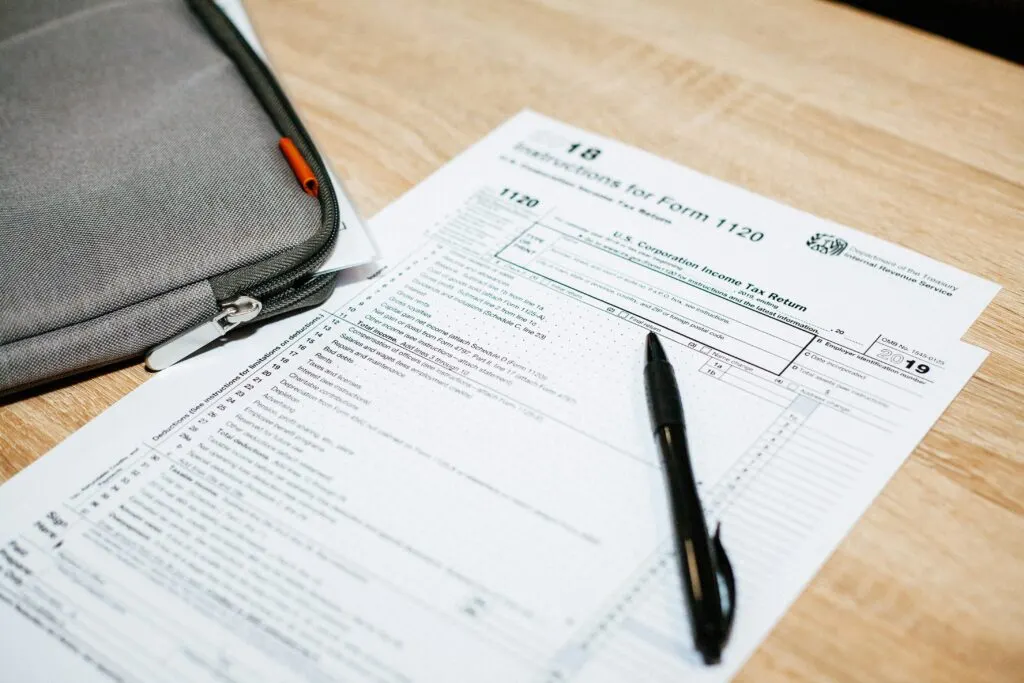
Tax discipline isn’t just compliance, it’s a business growth tool.
For entrepreneurs across Monroe, Indian Trail, Waxhaw, Matthews, Stallings, and the wider Union County area, consistent bookkeeping and strategic use of deductions can transform tax season from stressful to simple.
Every properly documented dollar protects you from penalties and frees up resources you can reinvest into growing your North Carolina business.
Your Financial Solutions
Insurance and Tax Services. We will help you to find the best insurance solutions for your family and business.